Industrial robotics and robots have emerged as essential innovations and efficiency drivers in today’s fast-changing manufacturing landscape. The integration of robotics in manufacturing has transformed the industry. It has a myriad of advantages to companies seeking to increase efficiency, quality, or competitiveness. Manufacturing robots will play a greater role in shaping manufacturing’s future as demand for automated solutions increases.
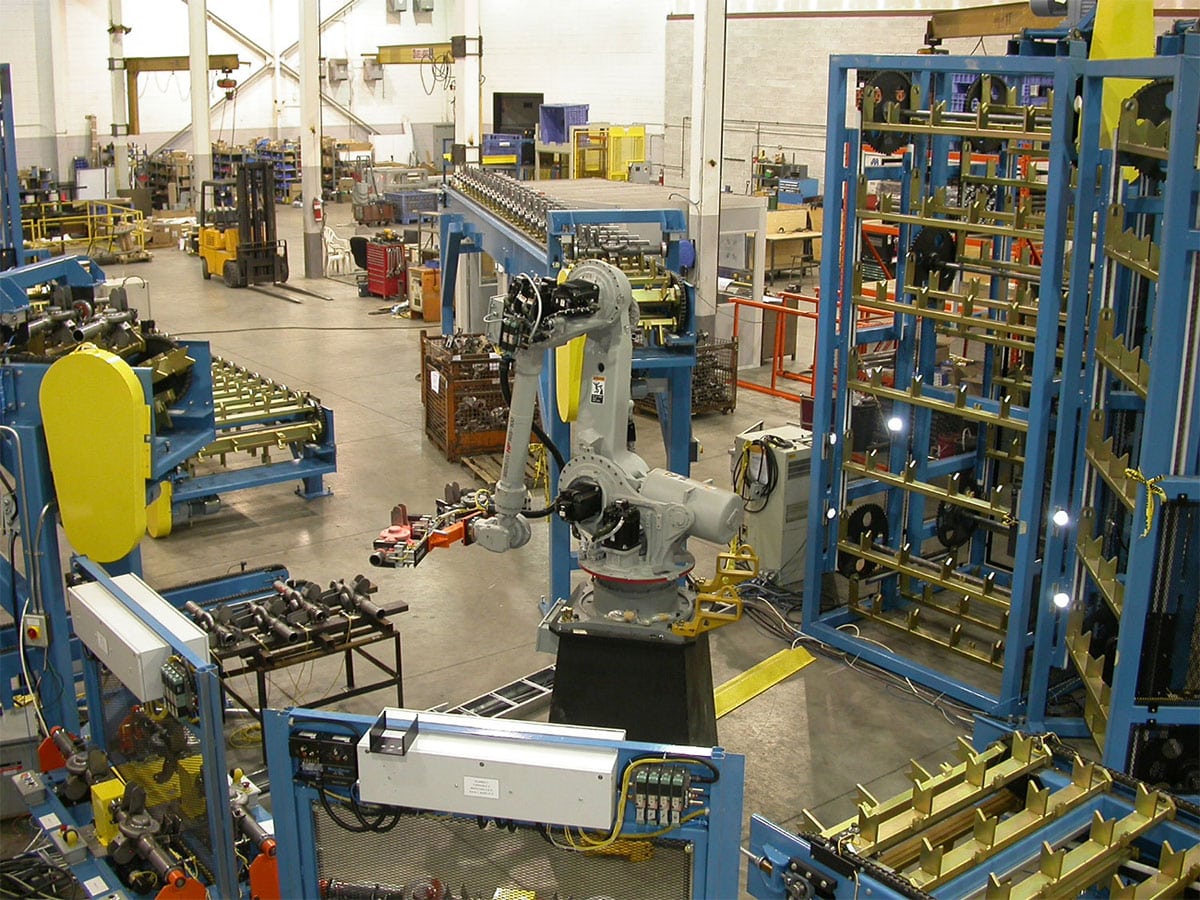
Industrial robots can also be referred to as manufacturing robots. They are specialized machines that can perform a variety of tasks in the manufacturing environment. These tasks may include welding and painting, assembly and placing and picking, packaging and much more. Industrial robotics is the field that studies and uses these robots to maximize efficiency and accuracy in manufacturing operations.
Automated Solutions Australia, a company that specializes in design of industrial robotics to offer flexible solutions to manufacturing customers, is on the forefront. The robots used by ASA’s industrial manufacturing are dedicated to helping clients get an edge on the market by improving efficiency and quality. With a particular concentration on implementing best practices, the robotics of ASA’s industrial solutions are sought-after by companies across the globe in a variety of industries, such as electronics, automotive pharmaceuticals, and many more.
The advantages of implementing industrial robots in manufacturing are numerous. Increased efficiency and productivity is among the most important benefits. Industrial robots are able to perform repetitive tasks with accuracy and consistency, which results in more efficient output rates and shorter cycles. This does not just increase overall efficiency but also enables companies to meet growing consumer needs with ease.
In addition, industrial robots aid in quality control throughout manufacturing processes. Robots are able to complete tasks more precisely and with greater security. This results in higher-quality products. This, in turn, enhances customer satisfaction and increases the company’s reputation as a supplier of premium quality products.
Industrial robots offer not only efficiency and quality but also cost-saving advantages. While the initial investment in manufacturing robots may seem substantial, the long-term cost savings are significant. Through streamlining processes in production and decreasing the need for manual labor, businesses can lower operational costs and achieve a quick ROI. Additionally, industrial robots are available 24/7 to maximize the utilization of resources while reduce production costs.
Industrial robots’ impact on workplace is another significant advantage. The robots create very little of noise and create a quieter environment that is more comfortable for workers. Their efficiency and speed aid in ensuring a safe work environment in reducing the dangers of accidents and injuries that can be caused by manual job.
The integration of industrial robotics plays an important role in job creation and the future of work. Industrial robots are able to create new employment opportunities, regardless of concerns that automation could replace human workers. This includes positions in the field of robotic programming maintenance, oversight, and supervision, in addition to the development of innovative technology for supporting robot manufacturing.
As businesses in various industries continue to profit from the advantages of industrial robots while manufacturing continues to embrace this technology, it is changing the manufacturing industry. Industrial robotics can be used to increase efficiency, cost-effectiveness and the quality of products. It is changing the industry of manufacturing and making new standards of excellence.
In conclusion, the rise of industrial robots and manufacturing robotics has created an important shift in the manufacturing industry. These cutting-edge technologies allow businesses to reach new levels of efficiency, precision and competitiveness. As the use of automation continues to expand, industrial robotics could play an important role in shaping the future of manufacturing by accelerating innovation and propelling businesses to succeed on the global market.